Today’s world faces an urgent challenge: meeting rising energy demands while reducing environmental impact. Addressing this challenge requires not only new policies but also breakthroughs in science and technology, which can provide innovative solutions to our energy needs.
One of the most promising advancements in this field is MOF technology for sustainable energy. Metal-Organic Frameworks (MOFs) are advanced materials with nanoscale pores capable of capturing, storing, and releasing gases with remarkable efficiency. This distinctive capability positions MOFs as a potential game-changer in both energy storage and carbon management. The significance of this research was recognized with the Nobel Prize in Chemistry, opening new avenues for practical solutions that support a cleaner and more sustainable energy future.
The Nobel-Winning Discovery: Understanding MOF Technology
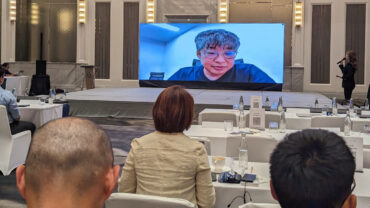
The Royal Swedish Academy of Sciences awarded the 2025 Nobel Prize in Chemistry to Professor Susumu Kitagawa for his pioneering work that led to the creation and development of a new class of molecular materials, now known as Metal–Organic Frameworks (MOFs).
MOFs are porous materials made from metal ions and organic ligands, forming internal structures capable of storing and releasing gases such as hydrogen, methane, and carbon dioxide with high efficiency. This breakthrough is particularly important because it addresses some of the world’s most pressing energy and environmental challenges. In essence, MOF technology offers cleaner gas storage, effective carbon capture, and more efficient energy utilization. Professor Kitagawa’s Nobel-winning research serves as a critical link between scientific innovation and real-world applications in energy and environmental sectors.
MOF Technology and Its Potential for Sustainable Energy
Building on this foundation, MOF technology is now emerging as one of the most promising innovations for a cleaner and more efficient energy future. Thanks to their highly porous structures, Metal-Organic Frameworks provide practical solutions for many contemporary energy and environmental challenges.
One of the most important applications of MOFs lies in hydrogen and methane storage. Their exceptionally large internal surface area allows these gases to be stored safely and compactly, which supports the development of low-carbon and hydrogen-based energy systems. Beyond storage, MOFs are also extensively studied for carbon capture and separation, as they can
selectively trap and store CO₂ emissions from industrial sources—helping to mitigate the effects of climate change.
From Lab to Application: CubiTan®
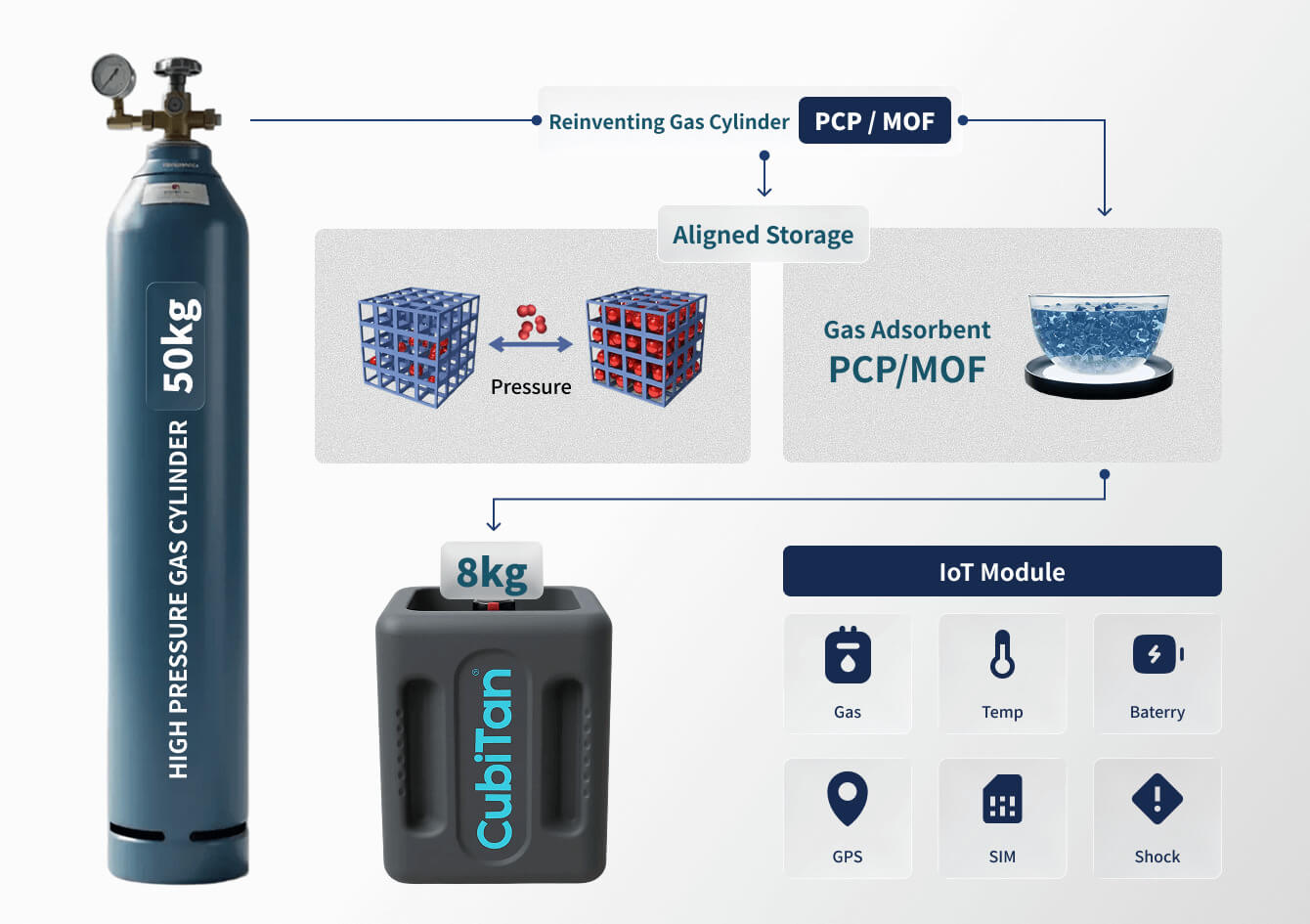
Leveraging these unique strengths, CubiTan® applies MOF technology to enable efficient, pipeline-free gas transport. This system supports the production and distribution of methane from biomass by storing and delivering methane generated in rural areas to urban regions. By doing so, it reduces dependence on fossil fuels while promoting a more sustainable and decentralized energy network.
Developed by Atomis Inc., CubiTan® exemplifies how MOF technology can transition from laboratory research to practical, real-world application. Building on Professor Kitagawa’s pioneering discovery, CubiTan® introduces a novel way to store and transport gases efficiently.
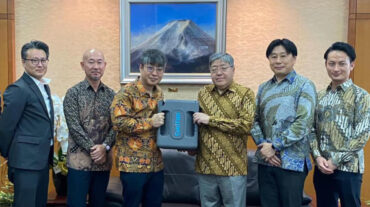
Since 2022, Yachiyo Engineering Co., Ltd. has collaborated with Atomis Inc., where Professor Kitagawa serves as a Scientific Advisor, to develop an innovative energy distribution system known as the Smart Gas Network. This system uses CubiTan® to distribute gases such as methane and biogas without pipelines, supporting a flexible and decentralized energy infrastructure.
By harnessing MOF’s unique ability to adsorb and release gas molecules at the nanoscale, CubiTan® enables the creation of gas containers that are lightweight, compact, and safe, without compromising efficiency. This breakthrough not only reduces transportation risks and costs but also contributes directly to a cleaner and more sustainable energy ecosystem, paving the way for future innovations in smart energy distribution.